
- Agri Spray Drones
- AutoSteer
- Understanding the Use of Adjuvants in Agriculture
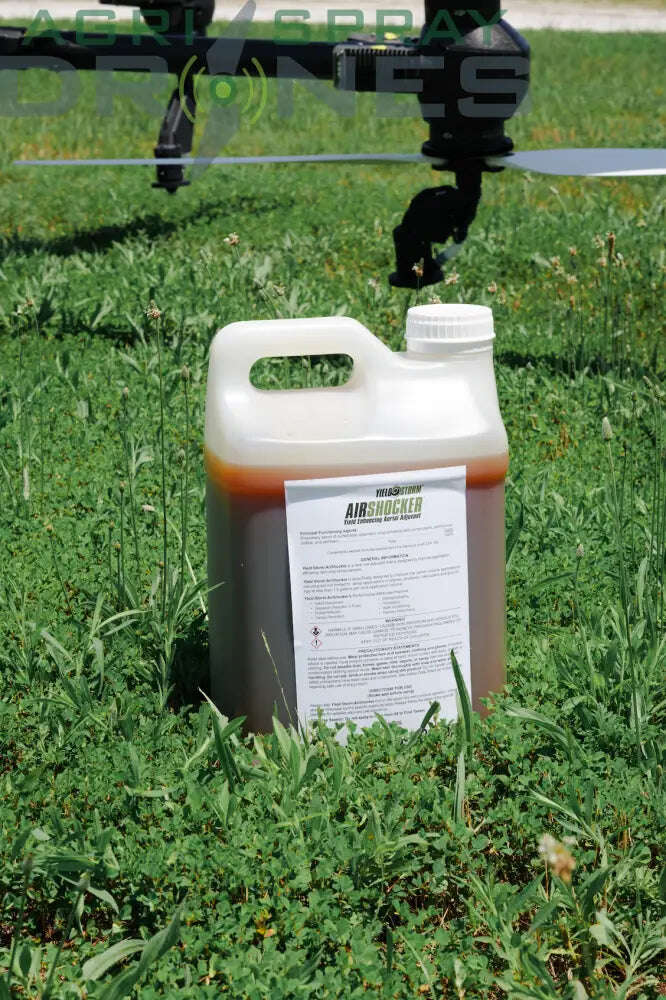
Agricultural professionals consistently seek methods to maximize the effectiveness of their crop protection applications. Adjuvants represent a critical component in modern farming operations, serving as specialized additives that enhance the performance of pesticides, herbicides, and other agricultural chemicals. These substances work by modifying the physical and chemical properties of spray solutions, ultimately improving their efficacy and reducing waste.
The proper application of adjuvants can significantly impact crop yields and treatment success rates. Many farmers and agricultural technicians recognize that simply applying pesticides or herbicides without considering adjuvant compatibility may result in suboptimal outcomes. Understanding the use of adjuvants in agriculture requires knowledge of their various types, functions, and appropriate selection criteria for specific applications.
What Are Agricultural Adjuvants
Agricultural adjuvants are substances added to pesticide spray tanks to enhance or modify the characteristics of the spray solution. These products do not possess pesticidal activity themselves but work to improve the performance of active ingredients in various ways.
Adjuvants can be classified as either activator adjuvants or special-purpose adjuvants. Activator adjuvants primarily focus on improving the biological efficacy of pesticides by enhancing their absorption, retention, or penetration. Special-purpose adjuvants address specific application challenges such as spray drift reduction, foam control, or tank mixing compatibility. The selection of appropriate adjuvants depends on factors including the target pest, crop type, environmental conditions, and the specific pesticide being applied.
The chemistry behind adjuvant function involves surface tension modification, pH adjustment, and the creation of more favorable conditions for chemical uptake by target organisms. These modifications can dramatically improve treatment outcomes while potentially reducing the total amount of active ingredients required for effective pest control.
Types of Adjuvants and Their Functions
Surfactants represent one of the most commonly used categories of adjuvants in agricultural applications. These surface-active agents reduce the surface tension of spray solutions, allowing for better spreading and wetting of plant surfaces. Non-ionic surfactants are particularly popular due to their compatibility with a wide range of pesticides and their ability to improve coverage on waxy or difficult-to-wet surfaces.
Oil-based adjuvants include crop oil concentrates and methylated seed oils, both of which enhance pesticide penetration through plant cuticles. These adjuvants are especially effective when applied with systemic herbicides, as they facilitate the movement of active ingredients into plant tissues where they can exert their effects most efficiently.
Nitrogen-based adjuvants such as ammonium sulfate serve multiple functions, including pH buffering and water conditioning. These products are particularly valuable when working with herbicides sensitive to hard water or alkaline conditions. The addition of ammonium sulfate can restore herbicide activity that might otherwise be compromised by unfavorable water quality.
Drift control adjuvants address the challenge of spray drift by modifying droplet characteristics. These products typically increase droplet size and reduce the formation of fine droplets that are prone to off-target movement. Such control becomes increasingly important as regulatory requirements for drift reduction continue to evolve.
Selection Criteria for Adjuvant Use
Choosing the appropriate adjuvant requires careful consideration of multiple factors that influence both efficacy and safety. The first consideration involves understanding the specific requirements of the pesticide being applied, as different active ingredients respond differently to various adjuvant types. Manufacturer recommendations provide valuable guidance, but understanding the underlying principles allows for more informed decision-making.
Environmental conditions at the time of application significantly influence adjuvant selection. Temperature, humidity, and wind conditions all affect how adjuvants perform and may dictate the choice between different product options. High temperature conditions may favor certain oil-based adjuvants, while cooler conditions might benefit from surfactant additions that improve spreading characteristics.
Target crop considerations include growth stage, leaf surface characteristics, and sensitivity to various adjuvant types. Some crops exhibit sensitivity to certain adjuvant classes, particularly oil-based products, which can cause phytotoxicity under specific conditions. Understanding the use of adjuvants in agriculture includes recognizing these crop-specific sensitivities and selecting products accordingly.
Water quality represents another crucial factor in adjuvant selection. Hard water, high pH, or other water quality issues can significantly impact pesticide performance and may require specific adjuvant types to maintain efficacy. Water conditioning adjuvants can address many of these challenges and restore optimal spray solution characteristics.
Application Techniques and Best Practices
Proper mixing procedures ensure optimal adjuvant performance and prevent compatibility issues that could reduce treatment efficacy. Typically, adjuvants are added after pesticides but before other tank mix partners such as fertilizers.
Spray equipment calibration becomes particularly important when using adjuvants, as these products can alter spray characteristics and affect application rates. Changes in droplet size, spray pattern, or flow rates may occur when adjuvants are added to spray solutions. Modern agricultural operations often utilize auto steering systems to maintain precise application patterns while accommodating these spray characteristic changes.
Adjuvants that enhance systemic activity may be most effective when applied during periods of active plant growth, while contact pesticides may benefit from adjuvants that improve initial surface retention and coverage.
Quality control measures during application include regular monitoring of spray solution characteristics and equipment performance. Changes in foam production, spray pattern uniformity, or nozzle performance may indicate adjuvant-related issues that require attention. Maintaining detailed application records helps identify successful combinations for future use.
Common Challenges and Solutions
Compatibility issues between adjuvants and other tank mix components can create significant application challenges. Physical incompatibility may result in precipitation, separation, or other visible changes in spray solutions. Chemical incompatibility might not be immediately apparent but can reduce the efficacy of active ingredients or create unexpected phytotoxicity.
Testing procedures can identify potential compatibility issues before large volumes of spray solution are prepared. Sequential addition of components while monitoring for any physical changes provides early warning of possible problems.
Phytotoxicity concerns arise particularly with oil-based adjuvants or when environmental conditions favor plant stress. Understanding crop sensitivity periods and adjusting adjuvant rates accordingly helps minimize the risk of crop damage while maintaining treatment efficacy. Environmental factors such as temperature extremes, drought stress, or high humidity can increase the risk of phytotoxicity.
Economic considerations balance the cost of adjuvants against their potential benefits in terms of improved efficacy or reduced active ingredient requirements. While adjuvants represent an additional input cost, their proper use often results in net economic benefits through improved pest control outcomes and potentially reduced retreat requirements.
Future Considerations in Adjuvant Technology
Technological advances continue to drive innovation in adjuvant development and application methods. Precision application technologies are creating new opportunities for adjuvant optimization through variable rate applications and real-time spray solution modifications. These systems allow for dynamic adjustment of adjuvant rates based on changing field conditions or target requirements, potentially improving both efficacy and economic returns.
Integration with digital farming platforms provides opportunities for data-driven adjuvant selection and application optimization. Historical performance data, combined with real-time environmental monitoring, can inform adjuvant choices and application timing decisions with greater precision than traditional methods allow.
Maximizing Agricultural Success Through Informed Adjuvant Use
The strategic use of adjuvants represents a fundamental aspect of modern crop protection programs that can significantly impact treatment success and operational efficiency. Agricultural professionals who invest time in understanding adjuvant principles and applications position themselves to achieve superior results while potentially reducing input costs and environmental impacts. The complexity of modern farming operations demands this level of technical knowledge to remain competitive and successful.
Read On

Benefits of Using a Drone for Pest Control
Pest control has always been a significant challenge for agriculturalists across the globe. If it’s...

What You Should Know When Starting a Drone Spraying Business
The agriculture industry is evolving with technology at its forefront, and drone spraying is...

5 Surprising Uses of Thermal Drone Technology
Thermal drone technology is soaring beyond conventional applications, delving into surprising and...