
- Agri Spray Drones
- Using Drones for Agriculture: Challenges and Solutions
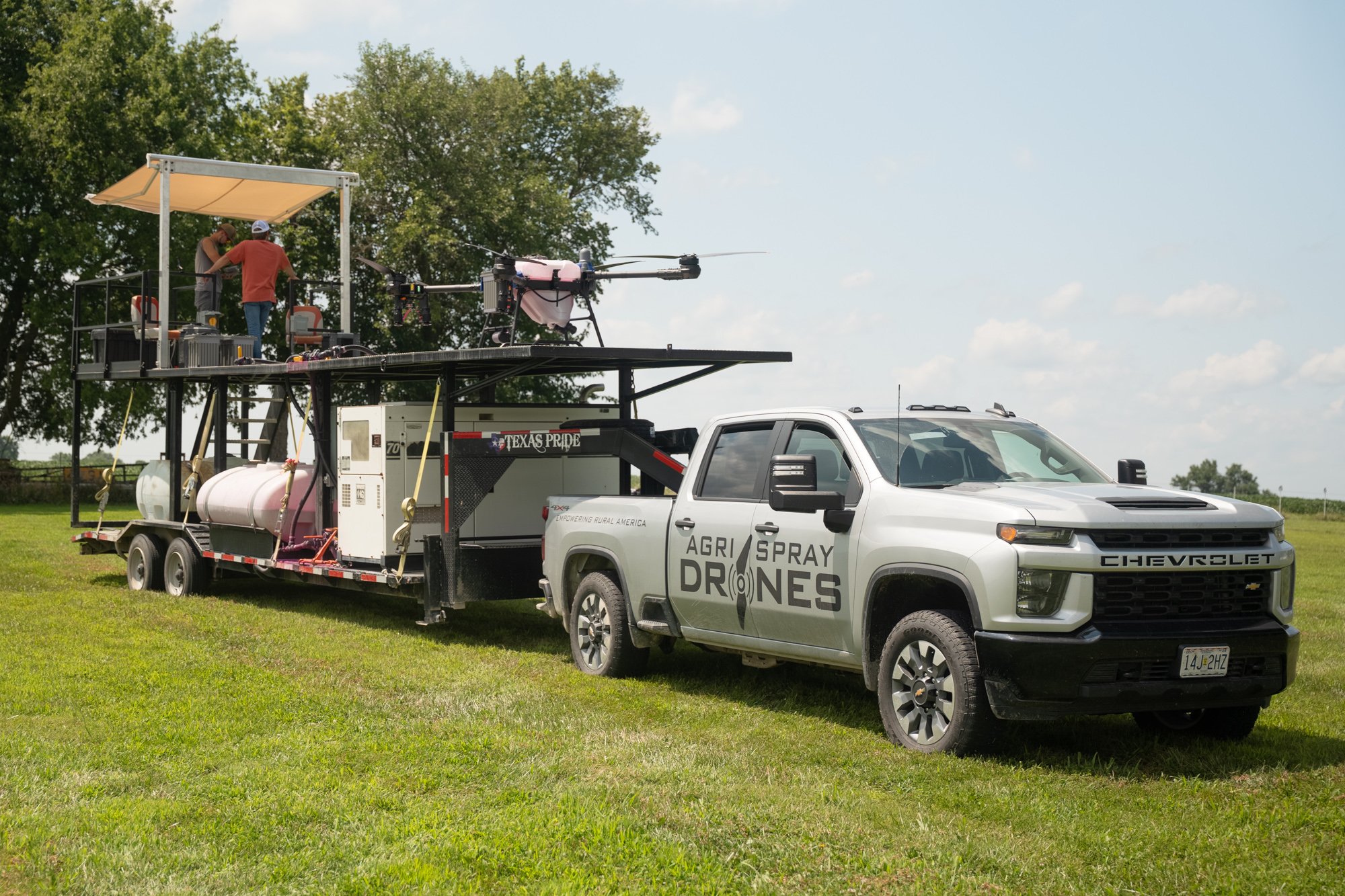
The integration of advanced technology into traditional farming practices has accelerated, bringing new tools that offer precision and efficiency. Among these innovations, drones have emerged as a significant asset for modern agriculture. They provide farmers with aerial perspectives and data collection capabilities that were previously inaccessible or prohibitively expensive.
The potential for these unmanned aerial vehicles to transform farm management is vast, covering everything from crop monitoring to targeted treatments. However, adopting this technology is not without its difficulties. Understanding the practical hurdles is the first step toward unlocking the full benefits.
This post will explore the key challenges and solutions of using drones for agriculture, and offer straightforward approaches to overcome them. By addressing these issues head-on, farmers can more effectively harness drone technology to improve their operations and yields.
Regulatory and Legal Hurdles
One of the most significant initial obstacles for farmers looking to use agricultural drones is navigating the complex web of regulations. National and local aviation authorities have specific rules governing the operation of unmanned aerial vehicles, and these regulations can vary widely by region. Farmers must become familiar with requirements related to pilot certification, drone registration, and flight restrictions.
For instance, there are often limitations on flying drones over certain altitudes, near airports, or beyond the visual line of sight of the operator. Obtaining the necessary licenses and permits can be a time-consuming and sometimes confusing process, creating a barrier to entry for those unfamiliar with aviation law. Failing to comply with these rules can result of significant fines and legal complications, making it a critical area of concern.
The solution lies in thorough preparation and education. Farmers should proactively research the specific regulations in their area and allocate time to complete any required training and certification programs. Consulting with agricultural technology providers or legal experts who specialize in drone law can also provide clarity and ensure full compliance. Staying informed about any changes to these regulations is also important, as the legal landscape for drone technology is continually evolving.
High Initial Investment Costs
The upfront cost of purchasing a drone and the necessary supporting equipment can be a substantial financial barrier for many farming operations, particularly for small to medium-sized farms. A high-quality agricultural drone equipped with specialized sensors, such as multispectral or thermal cameras, represents a significant investment. Beyond the drone itself, there are additional costs for software to process and analyze the collected data, as well as for batteries, charging stations, and maintenance. This initial capital outlay can be difficult to justify without a clear and immediate return on investment. Farmers must carefully weigh the potential long-term benefits of improved crop management and increased yields against the immediate financial strain.
To address this challenge, several financial models and purchasing options are becoming available. Some farmers may find it more feasible to lease drone equipment or hire a third-party drone service provider for specific tasks, such as aerial mapping or crop spraying. This approach eliminates the large initial investment and the responsibility of maintenance. Another solution is to seek out grants or financial assistance programs offered by agricultural organizations or government agencies aimed at promoting the adoption of new technologies in farming. Creating a detailed cost-benefit analysis before purchasing can also help in making an informed financial decision.
Technical Complexity and Data Management
Operating an agricultural drone and making sense of the data it collects requires a certain level of technical skill. While modern drones are becoming more user-friendly, they are still complex pieces of technology. Farmers and their staff may need training not only on how to fly the drone safely but also on how to operate the various sensors and software platforms.
The data collected by these drones, which can include high-resolution images and complex spectral data, must be processed, analyzed, and interpreted to be useful. This process can be overwhelming for those without a background in data analysis or geographic information systems. The sheer volume of data generated can also present a challenge, requiring significant storage capacity and computational power.
The solution to this technical hurdle involves investing in training and choosing user-friendly systems. Many drone manufacturers and software companies offer comprehensive training programs and customer support to help users get the most out of their products. Selecting an integrated drone and software system designed specifically for agriculture can also simplify the workflow, as these platforms often feature intuitive interfaces and automated analysis tools. Starting with a single, clear application for the drone, such as monitoring crop health in a specific field, can help build confidence and familiarity with the technology before expanding its use to more complex tasks.
Operational and Environmental Limitations
The practical operation of drones in a farm environment is subject to a number of limitations. Weather conditions play a major role; high winds, rain, or extreme temperatures can prevent a drone from flying safely or collecting accurate data. The battery life of most drones is also a limiting factor, often allowing for only 20 to 30 minutes of flight time before needing to be recharged or replaced. For large farms, this means that surveying the entire property can require multiple flights and a significant amount of time dedicated to battery management. The physical terrain of the farm can also pose challenges, with obstacles such as trees, power lines, and buildings requiring careful flight planning to avoid collisions.
Effectively addressing these operational constraints requires careful planning and the selection of appropriate equipment. Having multiple charged batteries on hand is essential for minimizing downtime during field operations. Using flight planning software can help create automated, efficient flight paths that account for the farm's specific terrain and obstacles. For very large areas, considering a fixed-wing drone, which typically offers longer flight times than a multi-rotor model, might be a more practical solution. Being flexible and scheduling drone flights around favorable weather conditions is also a key part of successfully integrating this technology into daily farm operations. This is especially true for those who use spray drones, as wind can drastically affect application accuracy.
The Path to Successful Integration
The journey of using drones for agriculture is one of continuous learning and adaptation. While the obstacles, from regulatory complexities and high costs to technical and operational limitations, are significant, they are not insurmountable. With careful planning, education, and a strategic approach, farmers can effectively navigate these challenges.
The key is to start with a clear understanding of both the potential and the practicalities of drone technology. By choosing the right equipment, investing in training, and staying informed about the evolving regulatory landscape, farms of all sizes can begin to leverage these powerful aerial tools. The benefits of improved data collection, enhanced crop management, and increased efficiency make the effort of overcoming the initial hurdles a worthwhile endeavor for the future of farming. The successful integration of drones into agricultural practices promises to yield not just better crops, but a more informed and resilient approach to farm management.
Read On

What You Should Consider When Buying a Spray Drone
In modern agriculture, spray drones represent a technological leap that has revolutionized how we...

A Complete Guide to Safely Mixing Chemicals for Agriculture
Agricultural chemicals, or agrochemicals, are substances farmers use to enhance and manage certain...

4 Things You Should Know About Spray Drones
Technology is always changing, and the agricultural landscape has experienced remarkable tech...