
- Agri Spray Drones
- 4 Tips for Reducing Spray Drift With Agricultural Drones
Spray drift is the movement of pesticide or herbicide droplets away from their target during application, and it’s a common challenge in modern agriculture. It could lead to vast inefficiencies, potential harm to surrounding ecosystems, and unintended exposure to non-target crops or areas.
While spray drones reduce drift by operating at a lower altitude, agrochemicals can still go off target. For a more precise process, let’s explore tips for reducing agricultural drone spray drift.
Use the Right Nozzles
Choosing the correct nozzle is one of the most crucial steps in minimizing spray drift. Different nozzles produce varying droplet sizes and spray patterns for different applications. Flat-fan or air-induction nozzles are ideal for agricultural drones because they reduce the formation of fine mist, which is most susceptible to being carried away by wind.
The nozzle should be compatible with the drone’s system and the agrochemical being applied. Of course, you’ll also want to inspect and clean the nozzles to avoid blockages or wear that could compromise spray accuracy.
Adjust Spray Height
Maintaining the appropriate spray height significantly reduces drift while supporting chemical application. Spray drones should operate as close as possible to the target canopy without compromising coverage. At low altitudes, droplets have less time to be carried off by the wind. Modern drones often come equipped with sensors to assist in maintaining a consistent spray height, especially on uneven terrain.
Optimize Droplet Size
The size of the droplets plays a role in controlling drift. Fine droplets are lightweight and more likely to move with the wind, while large droplets travel more directly to their intended target. Adjusting drone settings or nozzle types to produce medium-to-coarse droplets can help you balance coverage and drift reduction. Be mindful of environmental factors, such as humidity and temperature, that may affect droplet evaporation.
Regulate Drone Speed
Drone speed directly affects spray accuracy and drift potential, and regularly adjusting the speed of your agricultural drone is the key to reducing spray drift. Flying too fast can create turbulence and disperse droplets beyond the target area. Conversely, maintaining a controlled and steady speed supports even application and reduces the risk of drifting. For optimal results, adjust the speed based on weather conditions, terrain, and the type of crop you’re treating.
Add a DRA to the Tank Mix
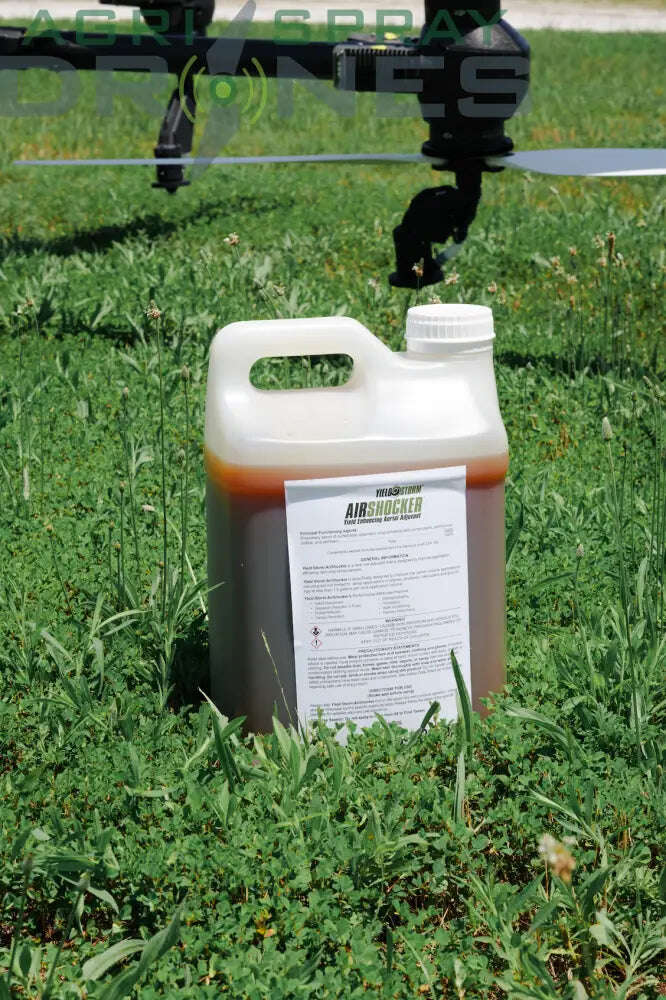
Also known as agricultural adjuvants, DRAs are substances added to pesticide spray tanks to enhance or modify the characteristics of the spray solution. These products do not possess pesticidal activity themselves but work to improve the performance of active ingredients in various ways.
Adjuvants can be classified as either activator adjuvants or special-purpose adjuvants. Activator adjuvants primarily focus on improving the biological efficacy of pesticides by enhancing their absorption, retention, or penetration. Special-purpose adjuvants address specific application challenges such as spray drift reduction, foam control, or tank mixing compatibility. The selection of appropriate adjuvants depends on factors including the target pest, crop type, environmental conditions, and the specific pesticide being applied
Drones for spraying fields can help you make the most out of precision agriculture. At Agri Spray Drones, our team of experts and extensive resources are at your disposal. With our experience and cutting-edge technology, we can provide you with top-notch spray drones that will enhance your agricultural operations.
Read On

Agri Spray Drones and nuWay Ag Forge Stragetic Partnership, Increase Spray Drone Operational Efficiency
Boonville, MO - June 1, 2024 – Agri Spray Drones is proud to announce a strategic partnership with...

5 Advantages of DJI Sprayer Drones vs. Ground Rig Spraying
Agriculture’s shift toward innovative technologies has opened new avenues for efficiency and...
Spray Drones vs Traditional Spraying Methods
Modern agriculture has seen a surge in technological advancements, revolutionizing the way farmers...