Proper fertilizer application is a fundamental agricultural practice that ensures crops receive the necessary nutrients to thrive. Without it, plants may suffer from nutrient deficiencies, resulting in lower yields. Understanding the techniques used to apply fertilizers is crucial for achieving optimal results in crop production. The four different methods of fertilizer application discussed here are key approaches to ensuring productivity across various farming landscapes.
Broadcasting
Broadcasting involves spreading fertilizer evenly across the soil surface. This can be done manually or with the use of machinery designed specifically for this purpose. Broadcasting is particularly effective for crops that cover a large surface area or those planted closely together, such as cereals and grasses. The uniform distribution of fertilizer replenishes nutrients throughout the field, promoting healthy growth. However, it may require further incorporation through harrowing or irrigation to prevent nutrient loss.
Placement
Placement focuses on applying fertilizer near the root zone of the plants. This method ensures that nutrients are easily accessible to growing roots, resulting in efficient nutrient uptake. Typically, placement is done during the planting process, using equipment specifically designed for this purpose. Crops that benefit from this method include row crops, as it efficiently delivers nutrients where they are most needed during critical growth stages.
Top-Dressing
Top-dressing is the application of fertilizer to established crops, often during their growing season. This method replenishes nutrients that have been depleted over time, supporting the crop’s ongoing development. Fertilizer is applied to the soil surface or incorporated into the upper layer after planting. Crops such as wheat, rice, and forage grasses commonly benefit from top-dressing, particularly when additional nitrogen is required to boost yields. Modern innovations, such as GPS steering systems for tractors, enhance the precision of this method, allowing for greater consistency and avoiding overlaps.
Foliar Application
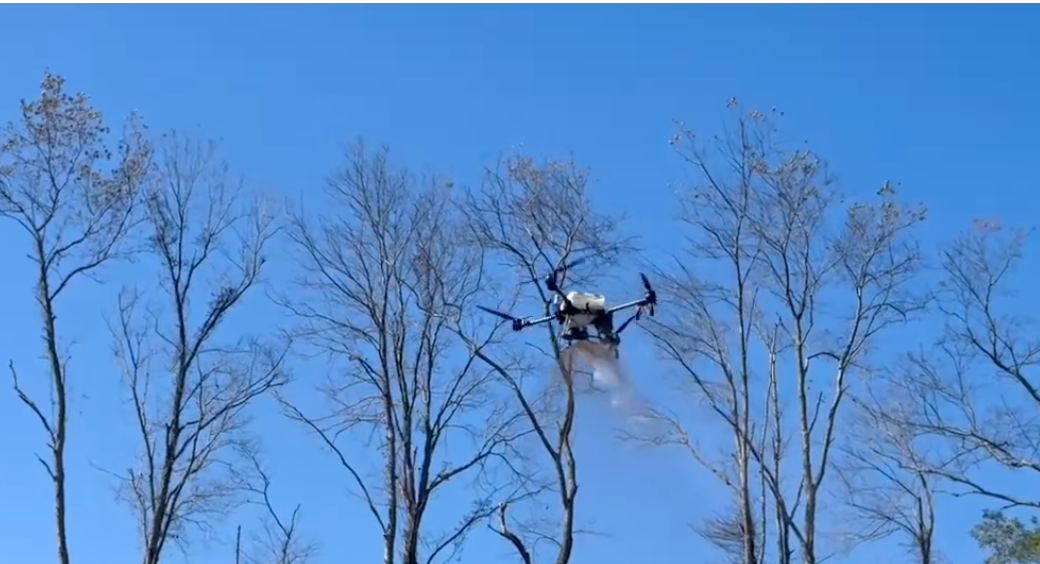
Foliar application involves spraying fertilizer directly onto plant leaves. This method provides a quick nutrient boost, as plants can absorb certain nutrients through their foliage. Foliar fertilizers are typically water-soluble and are applied when soil nutrient levels are insufficient, or when rapid correction of a deficiency is needed. This approach is especially useful for micronutrients and can complement other methods of nutrient delivery. Regular monitoring of plant health ensures the appropriate use of foliar applications.
These four different methods of fertilizer application each serve unique purposes and can be selected based on the crop type, soil condition, and farming goals. Making the right choice can significantly impact crop productivity and agricultural success. Interested in achieving better results on your farm? Contact us to discover how our advanced tools and technologies can meet your agricultural needs.
Curious about using ag spray drones for fertilizer application? Checkout some of the posts in our Ag Spray Drones of North America Facebook Group.