
- Agri Spray Drones
- 3 Advantages of Incorporating Automation Into Agriculture
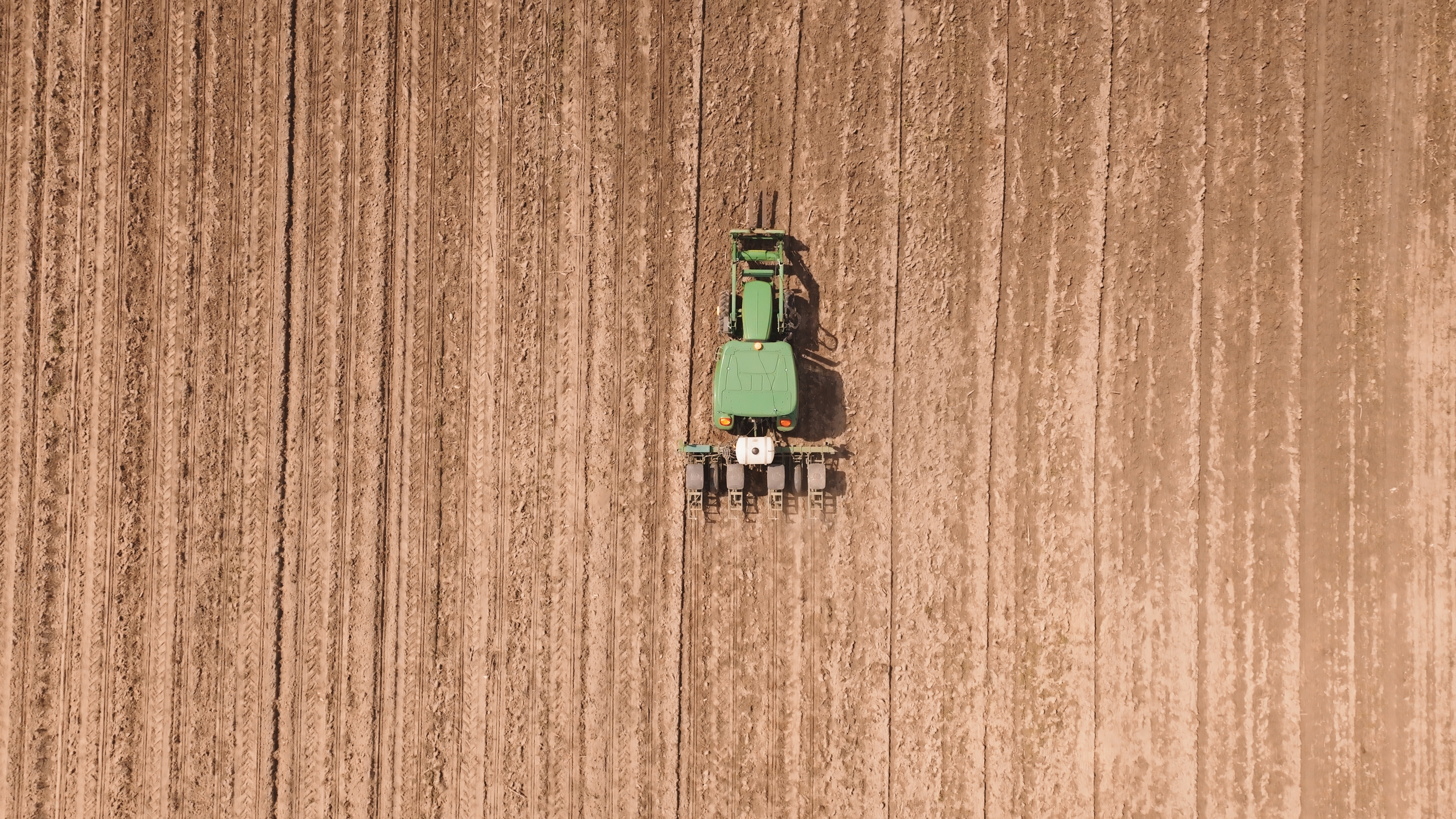
Modern farming operations face increasing pressure to maximize productivity while managing complex variables like weather, soil conditions, and market demands. The advantages of incorporating automation into agriculture have become essential considerations for farmers seeking to maintain competitive operations. Automation technologies offer practical solutions that address common agricultural challenges through improved efficiency and precision.
Farmers across various scales of operation are finding that automated systems provide measurable benefits to their daily operations. These technologies range from simple sensors to complex machinery that can operate with minimal human intervention. The transition to automated farming represents a significant shift in how agricultural work gets accomplished.
Enhanced Operational Efficiency
Automated agricultural systems complete tasks faster and more consistently than manual operations. Machinery equipped with automated features can work around the clock without breaks, covering more ground in less time. This continuous operation capability allows farmers to complete critical tasks such as planting and harvesting within optimal time windows.
Precision in timing becomes particularly important during busy seasons when weather conditions can change rapidly. Automated systems respond immediately to programmed schedules and can adapt to changing conditions without delays caused by human scheduling conflicts. This reliability ensures that crops receive attention exactly when needed.
The HD408 auto steering system represents one example of how automation reduces the physical demands on operators while maintaining consistent field coverage. Such systems eliminate overlap and gaps that commonly occur with manual operation, resulting in more efficient use of seeds, fertilizers, and fuel.
Reduced Labor Costs and Dependencies
Agricultural automation significantly decreases reliance on seasonal labor, which has become increasingly difficult to secure and expensive to maintain. Automated systems handle repetitive tasks that traditionally required multiple workers, allowing farm operations to continue with smaller crews.
The consistency of automated systems eliminates variability in work quality that can occur with different skill levels among workers. Machines programmed to perform specific tasks execute them identically each time, reducing errors and rework. This standardization leads to more predictable operational costs.
Another advantage of incorporating automation into agriculture is the reduction of training time and supervision requirements. Once properly configured, automated systems require minimal oversight, freeing farm managers to focus on strategic planning and problem-solving rather than constant task management.
Improved Precision and Data Collection
Automated agricultural equipment collects detailed information about field conditions, crop performance, and operational parameters. This data provides insights that help farmers make informed decisions about future planting, fertilization, and treatment strategies. The accumulation of this information over time creates valuable historical records for trend analysis.
Precision application of inputs becomes possible through automated systems that can vary seed spacing, fertilizer rates, and chemical applications based on specific field zones. This targeted approach optimizes resource use and can improve crop yields in areas that might otherwise be undertreated or overtreated.
Embracing Agricultural Innovation
Agricultural automation offers practical advantages that directly impact farm profitability and operational success. Enhanced efficiency, reduced labor dependencies, and improved precision represent fundamental improvements to traditional farming methods. These benefits position farms for long-term viability in an increasingly competitive agricultural market.
Read On
4 Benefits of Integrating AI Into Agriculture
The agricultural industry has always been a critical pillar of human civilization, providing the...

How Farmers Can Benefit From Utilizing the IoT
The Internet of Things (IoT) is the interconnected network of physical devices that contain...

The Impact of Drone Technology on Sustainable Agriculture
Farmers must connect with the earth and nature that surrounds them to produce successful crops,...