
- Agri Spray Drones
- The Role of Drones in Monitoring Crop Health
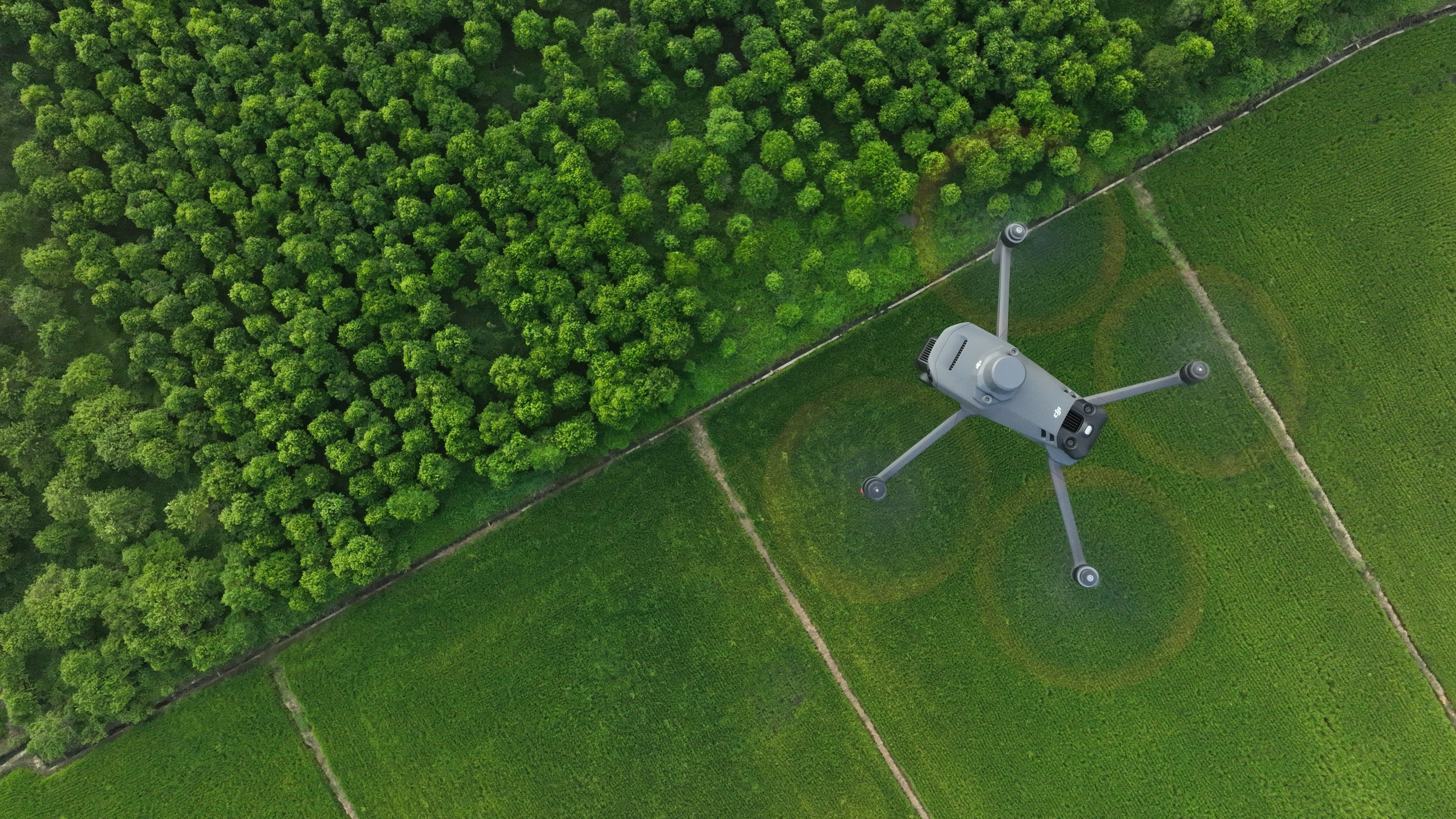
The role of drones in monitoring crop health has fundamentally transformed modern agriculture practices. Farmers now have access to advanced aerial technology that provides unprecedented visibility into their fields, enabling them to make informed decisions about crop management and agricultural operations.
Advanced Imaging Technology for Crop Assessment
Drones equipped with high-resolution cameras and specialized sensors can capture detailed images of agricultural fields from various altitudes. These imaging systems detect subtle changes in crop coloration, growth patterns, and plant density that might be invisible to the naked eye from ground level. Multispectral and thermal imaging capabilities allow farmers to identify stress indicators, nutrient deficiencies, and irrigation issues across large agricultural areas with remarkable precision.
The imaging data collected by drones provides farmers with comprehensive field maps that highlight variations in crop health throughout their properties. This technology enables early detection of potential problems, allowing for timely interventions that can prevent significant crop losses.
Real-Time Field Monitoring and Data Collection
Regular drone flights over agricultural fields generate consistent monitoring schedules that track crop development throughout growing seasons. Farmers can establish routine surveillance patterns that document changes in plant health, growth rates, and field conditions over time. This continuous monitoring approach creates valuable historical data that supports long-term agricultural planning and decision-making processes.
The real-time nature of drone monitoring allows farmers to respond quickly to emerging issues in their fields. When problems are identified early through aerial surveillance, farmers can implement targeted solutions before issues spread or worsen.
Precision Agriculture Applications
The role of drones in monitoring crop health extends beyond simple observation to include precision agriculture applications that optimize resource allocation. Drones can identify specific areas within fields that require targeted treatments, reducing the need for blanket applications of fertilizers, pesticides, or water across entire properties.
This targeted approach to crop management reduces input costs while improving overall field productivity. Farmers can direct their resources precisely where needed, creating more efficient agricultural operations that maximize yields while minimizing waste.
Integration with Ground Operations
Modern agricultural drones work alongside traditional farming equipment to create comprehensive crop management systems. While drones provide aerial perspectives and broad field coverage, they complement ground-based activities including drones for spraying fields and other precision application methods.
The combination of aerial monitoring and ground-based implementation creates powerful agricultural workflows that address crop health issues with both broad oversight and specific targeted actions. This integrated approach ensures that problems identified through drone monitoring can be addressed through appropriate ground-based interventions.
Maximizing Agricultural Success Through Drone Technology
Drone technology continues to evolve, offering farmers increasingly sophisticated tools for crop health monitoring and agricultural management. The accessibility and reliability of modern drone systems make them practical investments for farming operations of various sizes and types.
As drone technology advances, farmers gain access to more precise monitoring capabilities, better imaging systems, and improved data analysis tools that support successful crop production. The integration of drone monitoring into agricultural practices represents a significant step forward in modern farming efficiency and crop health management.
Read On
Reasons To Use Thermal Drones in Livestock Monitoring
Keeping a close eye on livestock health and behavior is crucial for the success and well-being of...
.png?width=352&name=J150-10%20(1).png)
4 Ways Technology Can Increase Crop Yields
Agriculture has always been a cornerstone of human survival, yet the challenges of feeding a...
Honeysuckle Control With Drones: Faster, More Efficient Management
Honeysuckle Control With Drones
Honeysuckle is one of those problems that often goes...