
- Agri Spray Drones
- policy,
- regulations
- October | Policy Update - FCC Authorizations
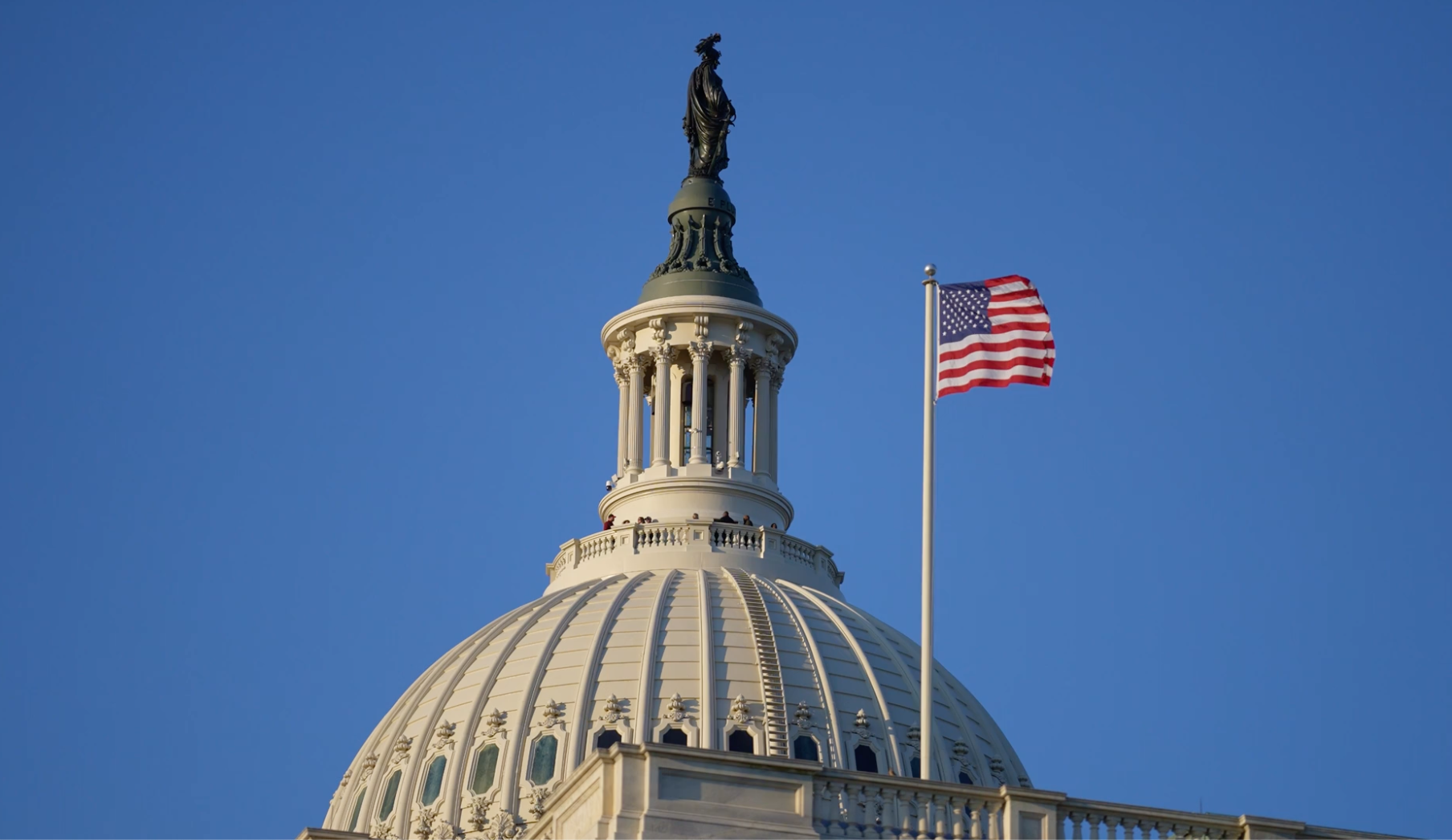
There's been a ton of industry coverage this week on the recent FCC authorizations, here's our take on the actual implications to the spray drone industry.
What is the FCC?
The Federal Communications Commission (FCC) is an independent agency of the United States government that regulates interstate and international communications by radio, television, wire, satellite, and cable. Its mission is to ensure reliable, accessible, and competitive communication services across the nation and around the world. The FCC manages the use of the electromagnetic spectrum and promotes fair competition in communication technologies.
What is happening with drone FCC licenses?
Each year, Congress passes the National Defense Authorization Act (NDAA), which establishes defense-related policies and funding for the upcoming fiscal year. In December 2024, the NDAA for Fiscal Year 2025 included a proposed provision that
would have revoked future FCC licenses for DJI, Autel, and Anzu drones due to national security concerns.
Although that provision was not included in the final bill, the NDAA required a federal agency to conduct an investigation into potential national security risks associated with those companies. If no investigation is completed by December 23, 2025, these companies will automatically be added to the FCC’s Covered List, which restricts or bans the use of communication equipment considered to pose a security risk.
Where things stand today
On October 28, 2025, the FCC voted three to zero to grant itself the authority to retroactively ban radio transmitters and electronic components that were previously approved for import if the manufacturer is later determined to be a national security risk. According to statements from the FCC, this decision is intended to close regulatory loopholes and protect United States communication networks from potential vulnerabilities in foreign-manufactured technology. However, the change also gives the federal government broader discretion to block Chinese-made consumer electronics, including drones produced by DJI,
despite the lack of publicly released evidence that these products pose a security threat.
Beginning December 23, new DJI products will be banned from import into the United States unless a designated national security agency certifies that they do not present a risk. DJI has confirmed that no such review has begun, even though more than ten months have passed since the process was required to start. Adam Welsh, DJI’s Global Policy Head, urged the federal government to either initiate the review or grant an extension “to ensure a fair, evidence-based process that protects American jobs, safety, and innovation.”
Earlier in 2025, DJI representatives had indicated that any potential ban would likely apply only to future products. The new FCC order, however, clarifies that such bans could be applied retroactively on a case-by-case basis. While the FCC stated that it is not requiring manufacturers or consumers to remove existing devices already in use, it will conduct a public interest analysis for each product. Each determination will weigh national security concerns and allow for a minimum of thirty days for public comment.
The new order also expands the FCC’s ability to address cases in which manufacturers attempt to circumvent restrictions by using subsidiary or front companies. Investigations have revealed that DJI products have occasionally been marketed under alternative brand names, with some models identified through their unique OcuSync radio frequencies. Under the new rule, the FCC may now block any device that was designed, manufactured, assembled, or developed by a company deemed a security risk.
The Reality
If the FCC revokes existing licenses, drones already operating in the United States will not be grounded or disabled. However, their continued use could become noncompliant with federal code. This action could also establish a significant precedent for other regulatory approvals, including the Federal Aviation Administration’s Section 44807 list of approved aircraft. The FAA would likely respond through audits and enforcement actions rather than immediate operational bans.
A more immediate consequence would be the restriction on importing or selling new products and components from affected companies, which would disrupt the availability of new aircraft and parts in the United States market.
What this means for the industry
Several members of Congress continue to advocate for the inclusion of all Chinese-manufactured drones on the FCC’s Covered List. Such an action would have far-reaching consequences for the drone industry, disrupting operations, limiting access to technology, and affecting innovation in agriculture, infrastructure inspection, and public safety.
We are currently lobbying the importance of a deliberate, evidence-based approach that balances national security concerns with economic and operational realities. Allowing time for an orderly transition is essential to protect the thousands of businesses, farmers, and public agencies that depend on these technologies to carry out critical work.
Read On
4 Factors That Impact Drone Flight Times
Drones have soared in popularity across a wide range of industries, including photography,...
Policy Brief | Congressional Appropriations for Fiscal Year 2026 - 06/19/2025
Table of Contents:
This article was updated on Monday,...

Drone Mapping: What It Is and How It Works
When most people think of drones, they think of gorgeous, sweeping imagery or thrilling cinematic...