
- Agri Spray Drones
- How Drones Can Help Combat the Spread of Invasive Species
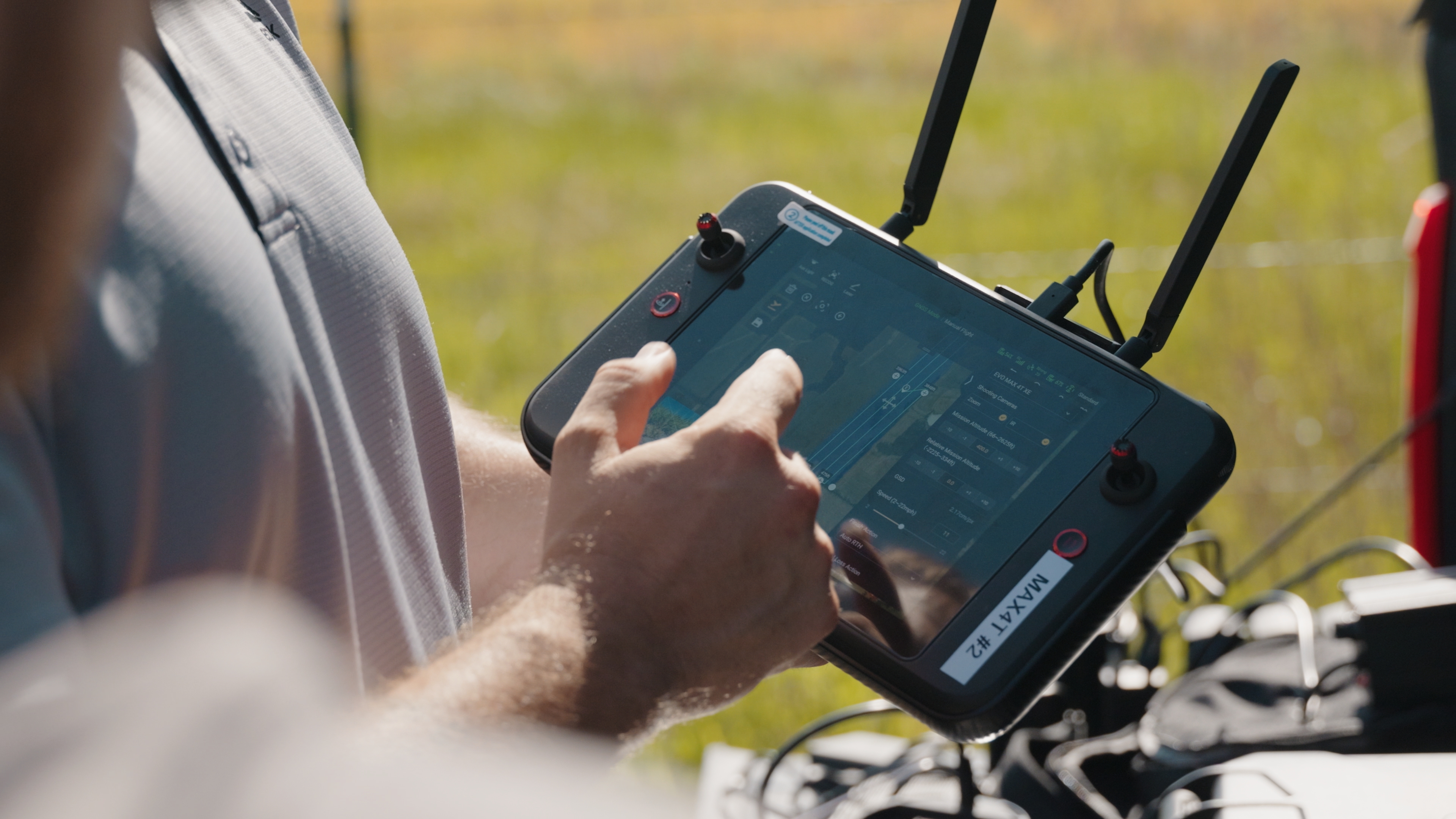
Invasive species pose a significant threat to native ecosystems worldwide, disrupting natural habitats and causing substantial economic damage. Traditional methods of controlling these unwelcome invaders often prove labor-intensive, time-consuming, and limited in their effectiveness. However, modern drone technology has emerged as a powerful tool that transforms how we approach invasive species management.
Precision Detection and Mapping
Drones equipped with advanced imaging systems can identify invasive species with remarkable accuracy across vast areas. High-resolution cameras and specialized sensors enable operators to distinguish between native and invasive plants, even in dense vegetation. This aerial perspective provides comprehensive mapping capabilities that ground-based surveys simply cannot match.
The ability to cover large territories quickly means that drones can help combat the spread of invasive species. Remote sensing technology allows for early identification of invasive populations before they establish strongholds in new areas.
Targeted Treatment Applications
Once invasive species locations are identified, drones can deliver precise treatment applications directly to affected areas. This targeted approach minimizes environmental impact while maximizing treatment effectiveness. Crop spraying drones have proven particularly effective in this application, as their precision delivery systems can apply herbicides or biological control agents with pinpoint accuracy.
The controlled application process reduces the risk of affecting non-target species while ensuring adequate coverage of invasive populations. This method proves especially valuable in areas that are difficult to access on foot or by traditional ground equipment.
Continuous Monitoring and Assessment
Regular surveillance flights enable wildlife managers and conservationists to track the progress of invasive species control efforts. Drones can revisit treated areas to assess the effectiveness of interventions and identify any regrowth or new infestations. This ongoing monitoring capability provides valuable data for refining management strategies.
The consistency of aerial monitoring helps establish patterns in invasive species behavior and distribution, leading to more effective long-term management plans. Understanding how drones can help combat the spread of invasive species includes recognizing their role in providing real-time data that informs decision-making processes.
Enhanced Safety and Efficiency
Drone operations eliminate many of the safety risks associated with traditional invasive species management. Personnel no longer need to navigate hazardous terrain or work with potentially dangerous chemicals in challenging conditions. Remote operation capabilities mean that treatments can be applied safely and efficiently, regardless of ground conditions.
The reduced need for extensive ground crews and equipment translates to more cost-effective management programs. Drone operations can be scheduled flexibly and executed quickly, allowing for rapid response to new invasive species threats.
Transforming Conservation Efforts
Drone technology represents a significant advancement in conservation practices, offering unprecedented capabilities for managing invasive species threats. The combination of precise detection, targeted treatment, and continuous monitoring creates a comprehensive approach that surpasses traditional methods in both effectiveness and efficiency.
As drone technology continues to evolve, its applications in invasive species management will expand, providing even more sophisticated tools for protecting native ecosystems. The integration of artificial intelligence and machine learning with drone operations promises to further enhance identification accuracy and treatment precision.
Read On
Winterizing your drone
As the winter months are fast approaching it is important to remember to properly store your drone...


How long can a sprayer drone fly on one battery charge?
Flight times per battery charge vary depending on battery and ambient temperature, payload weight,...