Precision agriculture is transforming farming practices. By leveraging innovative tools and methodologies, farmers can optimize yields, minimize waste, and make informed, data-driven decisions. Explore five types of technology used in precision agriculture that are shaping the future of farming.
GPS Technology
GPS technology is a vital component of precision agriculture, as it allows for precise mapping and monitoring of fields. Farmers can use GPS to determine exact locations for planting and fertilizing. Additionally, auto steering systems integrate with this technology, enabling tractors to operate with high accuracy while reducing human error.
Drones
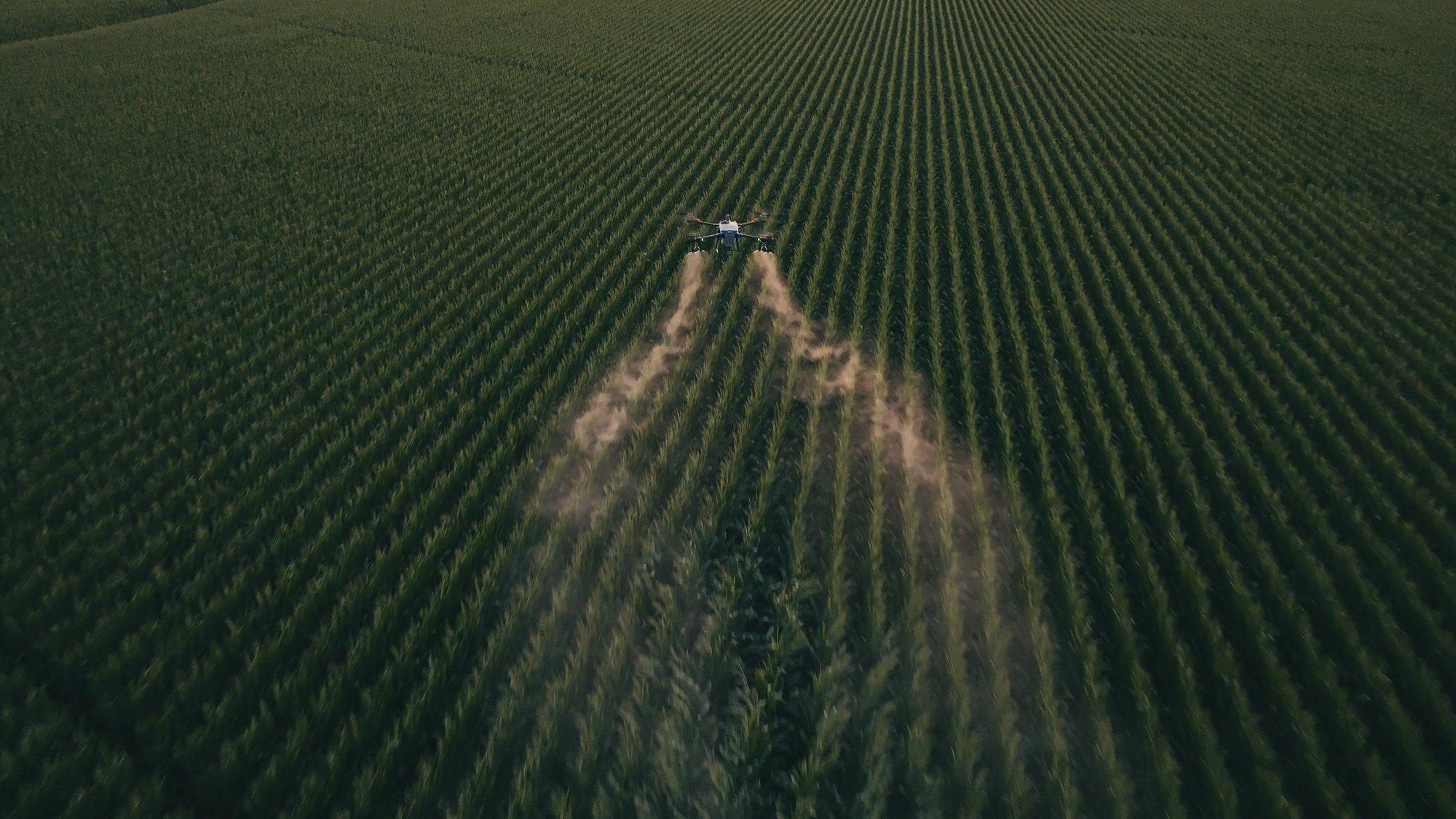
Drones have become a game-changer in the agricultural field. They are used for capturing aerial imagery, monitoring crop health, and even applying pesticides. By providing detailed visual and data analysis, drones enable farmers to act quickly and effectively to address crop issues. High-resolution cameras and thermal imaging capabilities significantly enhance the ability to maintain healthy and productive fields.
Soil and Crop Sensors
Sensors in precision agriculture provide real-time data on soil conditions, such as moisture levels and nutrient content. These tools help farmers determine when and where to water or fertilize crops, resulting in more efficient resource utilization. Crop sensors can also evaluate plant health by measuring chlorophyll levels, helping farmers optimize their input efforts.
Variable Rate Technology
Variable rate technology (VRT) is another essential innovation. It allows for the precise application of inputs based on specific field conditions. Fertilizers, pesticides, and seeds are distributed efficiently, minimizing both waste and environmental impact. VRT works seamlessly with other technologies like sensors and GPS, ensuring greater accuracy and better outcomes.
Robotics and Automation
Automated machinery is making precision agriculture even more efficient. Robots can perform tasks like planting, weeding, and harvesting with incredible precision. These machines operate faster and more accurately than manual labor, saving time and costs. The integration of robotics and artificial intelligence (AI) continues to push the boundaries of farming innovation.
Precision Agriculture’s Role in the Future of Farming
These five types of technology used in precision agriculture are paving the way for more sustainable and efficient farming practices. With tools like GPS, drones, sensors, VRT, and robotics, farmers are empowered to make data-driven decisions while conserving resources. These advancements ensure that agriculture adapts to the challenges of feeding a growing population.